


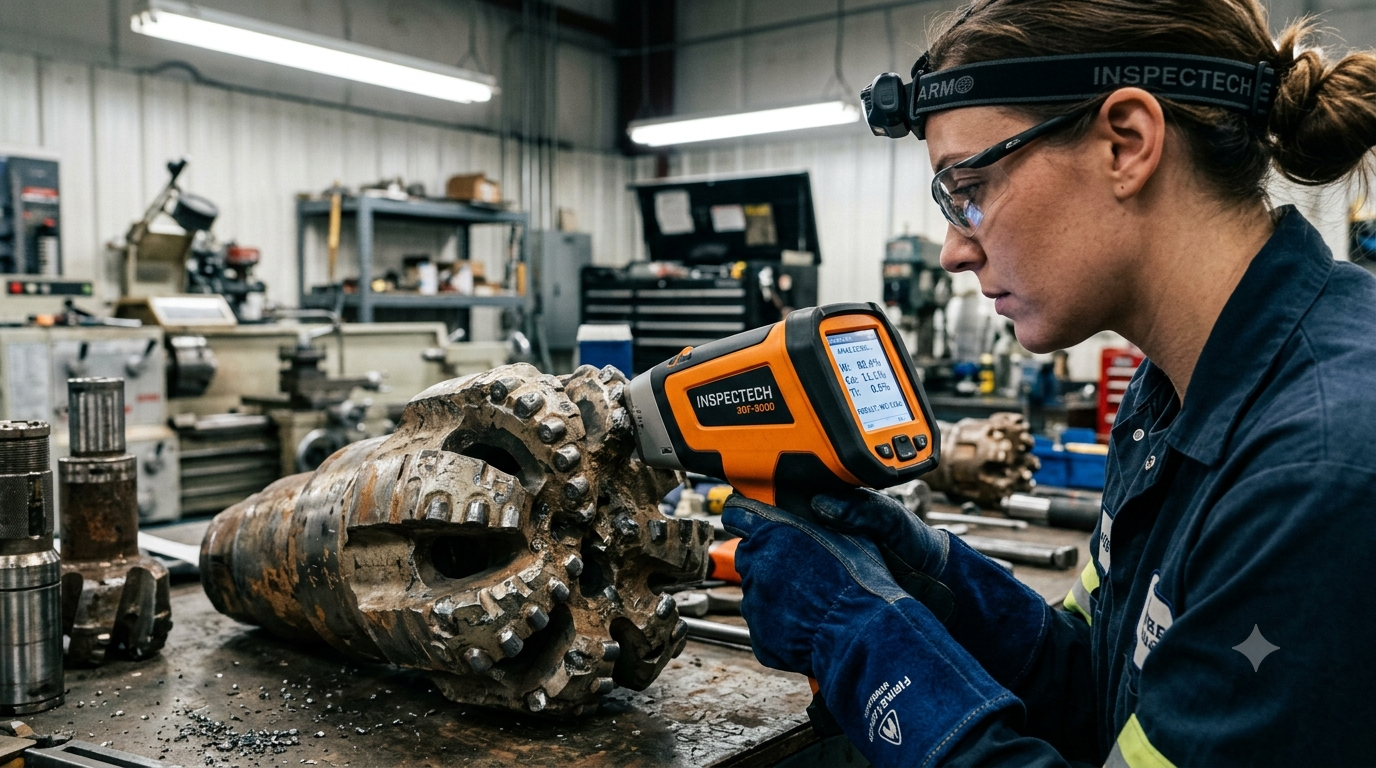
When oilfield operators and directional drilling contractors retire worn PDC (Polycrystalline Diamond Compact) drill bits, significant capital remains locked inside the tool matrix and cutters. Treating these engineering assets as basic scrap steel results in substantial loss of potential revenue. Understanding the exact metallurgical components—specifically tungsten carbide substrates and synthetic diamond tables—allows drilling managers to negotiate maximum asset recovery values.
Problem Breakdown vs. Practical Solution
| Customer Pain Point | Root Cause / Industry Flaw | Our Asset Recovery Solution |
| Undervalued Scrap Sales | Local metal buyers quote prices based solely on total steel weight, ignoring valuable tungsten cutters. | We grade carbide cutters separately using portable XRF alloy analyzers to guarantee exact carbide market valuation. |
| High Shipping Logistics Cost | Moving heavy, bulky bit bodies across distant oilfield basins eats into raw scrap profits. | We offer regional bulk collection programs and localized freight compensation for volume drilling fleets. |
| Unpredictable Payout Times | Traditional scrap yards take weeks to assay mixed alloy metals before releasing payment. | Instant on-site assessment with transparent per-kilogram pricing based on live global tungsten index values. |
Key Factors Influencing Scrap PDC Bit Evaluation
- Carbide Cutter Retention & Grade:The primary value driver in a scrap PDC bit is the volume of intact or partially worn cutters. Synthetic diamond cutters fused to cobalt-bound tungsten carbide substrates command a significantly higher price per kilogram than structural bit body steel.
- Matrix Body vs. Steel Body Construction:
- Matrix Body Bits: Constructed from tungsten carbide powder infiltrated with a copper-nickel binder. These bodies possess inherent high scrap value throughout the entire bit mass.
- Steel Body Bits: Manufactured from high-strength alloy steel (e.g., 4140 or 4340). The primary scrap value is concentrated strictly in the removable cutters and hardfacing materials.
- Gauge Protection & Nozzle Alloys:Secondary components such as carbide gauge trimmers, thermally stable polycrystalline (TSP) pins, and specialized nozzle inserts add measurable weight to the overall high-value metal return.
To review official industrial scrap metal classification standards and international recycling codes, visit the Institute of Scrap Recycling Industries (ISRI).
Frequently Asked Questions (FAQ)
- Q: How do you differentiate between matrix body and steel body value when purchasing scrap bits?
- A: We utilize handheld XRF spectrum analyzers directly on-site. Matrix bodies show high tungsten ($W$) and nickel ($Ni$) concentration throughout, allowing us to quote a higher overall weight rate, whereas steel bodies are priced by cutter count plus scrap steel weight.
- Q: Can we sell bits that have suffered catastrophic body failure or severe ring-outs?
- A: Yes. Even if a bit body is completely fractured, the remaining tungsten carbide cutters and matrix fragments retain 100% of their raw material value. We extract and process these materials directly.
- Q: How does selling scrap bits help us lower our purchasing costs for new bits?
- A: We offer a direct trade-in program where the full scrap value of your retired inventory is credited toward purchasing brand-new, high-performance Drilling Bits, lowering your overall cost-per-foot drilled.
If you have stock of worn drilling tools waiting for evaluation, please اتصل بنا today for a customized quote.