


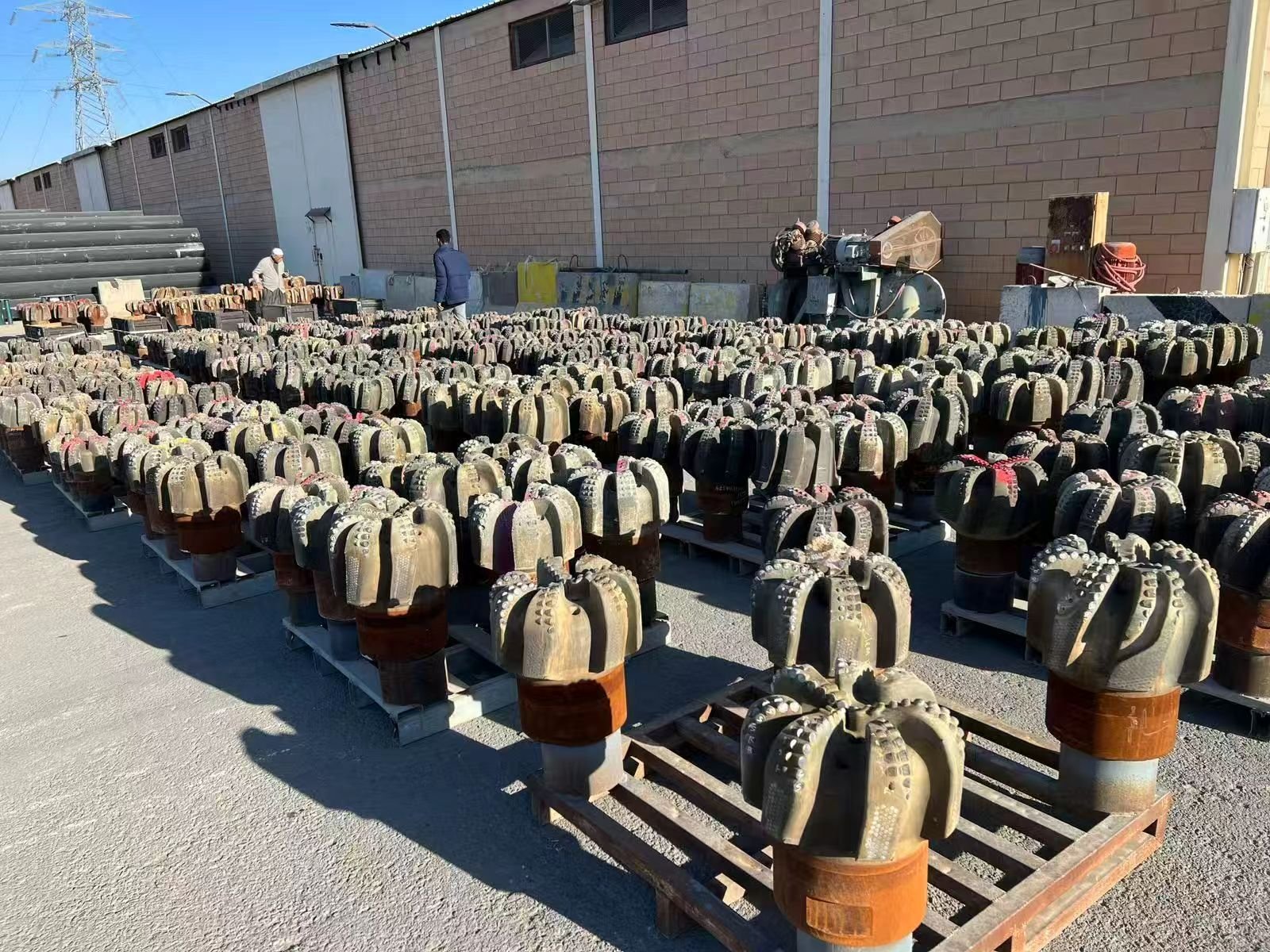
For drilling contractors and mining companies, used drill bits recycling is a crucial step because dealing with worn-out equipment is a constant headache. Once a roller cone bit, PDC bit, or drill pipe reaches the end of its operational life, it usually ends up piled up in a corner of the yard or sold off cheaply as standard scrap iron.
However, you might be sitting on a goldmine without realizing it.
Those heavy-duty drilling tools are packed with high-value materials that hold significant market worth. Understanding the true residual value of your retired drilling assets can dramatically improve your bottom line and turn dead inventory into working capital.
1. What Makes Used Drill Bits Recycling So Valuable?
Standard scrap metal is cheap, but oilfield and mining drilling tools are a completely different category.
- Tungsten Carbide Inserts (TCI): The cutting structures of many roller cone and mining bits rely heavily on tungsten carbide—an extremely dense, hard, and valuable refractory metal.
- Polycrystalline Diamond Compact (PDC) Cutters: PDC bits contain industrial-grade diamond and cobalt matrices.
- High-Grade Alloy Steel: Drill pipes and drill body structures are forged from specialized, high-strength alloy steels designed to withstand extreme torque and pressure.
When these tools are discarded as generic steel scrap, companies lose out on the premium value embedded in the carbide and rare alloy components.
2. The Problem with “Reselling” vs. The Security of Certified Destruction
Many companies hesitate to clear out their old drill bits because they worry about used equipment leaking back into the market, potentially being poorly refurbished and sold as “cheap alternatives,” which can harm brand reputations or cause catastrophic field failures.
This is why professional industrial recycling and smelting programs are the preferred route for major operators:
- Zero Resale Policy: Reputable industrial recyclers do not refurbish or resell used structural drilling tools.
- Complete Destruction & Smelting: Worn-out drill bits and drill pipes are completely crushed, shredded, and processed to extract raw components like tungsten and cobalt.
- Asset Security: Total destruction ensures that proprietary designs, worn brand markers, and outdated inventory are safely and permanently removed from circulation.
3. How to Maximize the Return on Your Scrap Drilling Assets
If you are looking to clear out your yard and monetize your accumulated inventory through proper used drill bits recycling, keep these best practices in mind:
- Sort by Material Type: Separate steel drill pipes from carbide-heavy roller cone bits or PDC bits. Pure, sorted batches often command better evaluation terms.
- Partner with Specialized Industrial Recyclers: Work directly with recycling facilities that specialize in heavy industry, mining, and oilfield scrap, rather than local general junkyards that only pay base iron rates.
- Establish a Routine Yard Cleanup: Don’t let old inventory rust away for years. Regular asset recovery keeps your workspace clean and provides a steady, unexpected stream of cash flow.
Conclusion
Your old, worn-out drill bits and drill pipes are not just industrial waste—they are recoverable assets. By shifting your approach from letting them take up space to utilizing professional scrap recycling and carbide extraction, you turn yard clutter into valuable capital while ensuring safe, environmentally responsible disposal.
Got a pile of retired drill bits or pipes taking up space in your yard? Contact our asset recovery team today to find out how to turn your dead inventory into value.